

Introduction
Typography plays an important role in how digital content looks and feels. The right typeface can make a message appear professional, playful, modern, elegant, or creative. As people communicate through social media, websites, messaging platforms, presentations, and digital documents, the demand for flexible text styling has grown. A font changer provides a simple way to experiment with different text appearances without requiring advanced design knowledge. Instead of accepting the standard lettering offered by an application, users can explore alternative styles that better match their personality or the purpose of their content. From social media captions to creative headings, customized text can attract attention and make ordinary words more visually interesting. Understanding how font-changing tools work, where they can be useful, and how to select readable styles can help users create better digital content while avoiding designs that are difficult to understand.
What Is a Font Changer?
A font changer is a tool or feature that allows users to alter the visual appearance of written text. Depending on the platform, it may offer different typefaces, decorative characters, symbols, Unicode-based styles, or formatting options. Some tools are designed specifically for social media, while others can be used for websites, documents, graphic projects, or messaging. The main purpose is to provide more flexibility than a standard text editor. A font changer can transform ordinary text into a style that looks bold, decorative, handwritten, futuristic, or visually distinctive. However, different tools work in different ways. Some actually change the font used by a document, while others generate alternative Unicode characters that resemble particular styles. Knowing this difference is useful because not every platform supports every character or visual effect in the same way.
Why Font Styles Matter
Text is not only about words; its visual presentation can influence how readers perceive information. A clean font can make an article comfortable to read, while a decorative style may be more suitable for a creative invitation or social media post. Businesses also consider typography when developing visual identities because consistent lettering can contribute to brand recognition. Personal users may choose different styles to express individuality in usernames, bios, captions, or messages. A font changer makes experimenting with these visual choices easier because users can quickly compare multiple possibilities. Nevertheless, attractive typography should always support the message rather than overpower it. If a font is difficult to read, the visual effect may become a disadvantage. Good typography balances appearance, readability, and purpose.
How Font Changer Tools Work
The technology behind font-changing tools varies depending on the application. In traditional design software, changing a font means selecting another typeface from a collection installed or available within the program. In contrast, many online text-style tools convert ordinary letters into Unicode characters that have a different visual appearance. These characters can sometimes be copied and pasted into platforms that support them. This explains why certain decorative text styles can appear in places where traditional font selection is unavailable. A font changer based on Unicode does not necessarily install a new font on the user’s device. Instead, it uses alternative characters that resemble different typographic styles. Understanding this distinction helps users know why a text style may work perfectly on one platform but appear differently or fail to display on another.
Popular Font Styles
There are many categories of text styles that users may encounter when exploring typography. Bold styles can make important words stand out, while italic-looking designs can provide a softer or more expressive appearance. Script and handwritten styles are often associated with invitations, personal messages, and creative projects. Decorative styles may include unusual symbols, spacing, or artistic letterforms. Modern geometric fonts can create a clean and contemporary appearance, while vintage-inspired lettering may give content a classic feel. When using a font changer, users can experiment with several categories before deciding which one best suits their purpose. The most attractive option is not necessarily the most complicated. A simple, well-designed style can often communicate an idea more effectively than highly decorative lettering.
Using Font Changers for Social Media
Social media platforms are one of the most common environments for creative text. Users often want their profiles, captions, bios, comments, or posts to look different from standard content. Customized text can help certain words attract attention and can contribute to a recognizable personal style. Creators may use distinctive typography for headings or short promotional messages, while individuals may use decorative lettering simply for fun. A font changer can make this experimentation quick because users can generate several variations before copying the preferred version. However, moderation is important. Using unusual characters throughout an entire caption may make the content harder to read or search. It is generally more effective to use decorative styles selectively, especially for short phrases, headings, or emphasis.
Font Changers for Branding
Typography is a major part of branding because the appearance of words can influence how a company or project is perceived. A technology business might prefer a clean and modern typeface, while a creative studio could choose something more artistic. Font-changing tools can help with early experimentation when designers are exploring ideas for logos, social posts, promotional graphics, or campaign concepts. However, professional branding usually requires more control than a simple text generator can provide. Businesses need to consider licensing, consistency, accessibility, and how the typography works across different media. A font changer can therefore be useful during the brainstorming stage, but final brand typography should be selected carefully. The chosen font needs to remain recognizable and readable across websites, mobile devices, printed materials, and other communication channels.
Improving Creative Projects
Creative projects often benefit from experimentation. Posters, invitations, greeting cards, presentations, thumbnails, digital artwork, and personal projects can all use typography to create a particular atmosphere. A suitable lettering style can reinforce the theme of an event or project. For example, a playful style may work well for children’s content, while an elegant script may suit a formal invitation. Using a font changer allows creators to quickly test different visual directions before settling on a final design. This can save time during brainstorming and encourage people to consider options they might not otherwise explore. Still, creators should maintain visual balance. Text needs enough space, appropriate contrast, and a clear hierarchy so that readers know which information is most important.
Choosing the Right Font for Readability
Readability should be one of the first considerations when selecting a font. A beautiful style becomes ineffective if readers struggle to recognize the letters. Decorative fonts can be particularly difficult when used in long paragraphs or at small sizes. Simple fonts are usually better for large amounts of information because they allow the eyes to move smoothly from one word to the next. When experimenting with a font changer, users should consider where the text will appear and who will read it. A style that works well for a short social media title may not be appropriate for an entire article. Testing the text at its intended size can reveal problems that are not obvious when viewing large sample letters.
Font Changers on Mobile Devices
Mobile devices have changed the way people create and share text. Many users write directly from smartphones and want quick customization without opening complex design applications. Font-changing tools can provide an accessible solution by allowing users to generate styles and copy them into supported apps. This can be especially convenient for social media profiles, messaging, gaming usernames, and short creative posts. However, mobile screens are smaller, and unusual characters may not always display consistently across devices. Users should therefore test customized text before publishing it widely. If a particular style looks good on one smartphone but appears as empty boxes or strange symbols elsewhere, it may not be a suitable choice. Compatibility should always be considered alongside visual appeal.
Using Font Changers for Gaming Names
Gaming communities frequently use customized usernames and profile names to create distinctive identities. Players may choose bold, decorative, futuristic, or unusual lettering to make their names stand out. This can be a fun way to personalize an online identity. However, game platforms often have character restrictions, and some do not support every Unicode symbol. Players should check whether the chosen style is compatible before making a permanent username change. A font changer can help generate different ideas, but the final choice should remain simple enough for teammates and other players to recognize. A memorable name does not necessarily require dozens of unusual symbols. Often, a small amount of creative typography is enough to make a username distinctive.
Benefits of Using Font Changer Tools
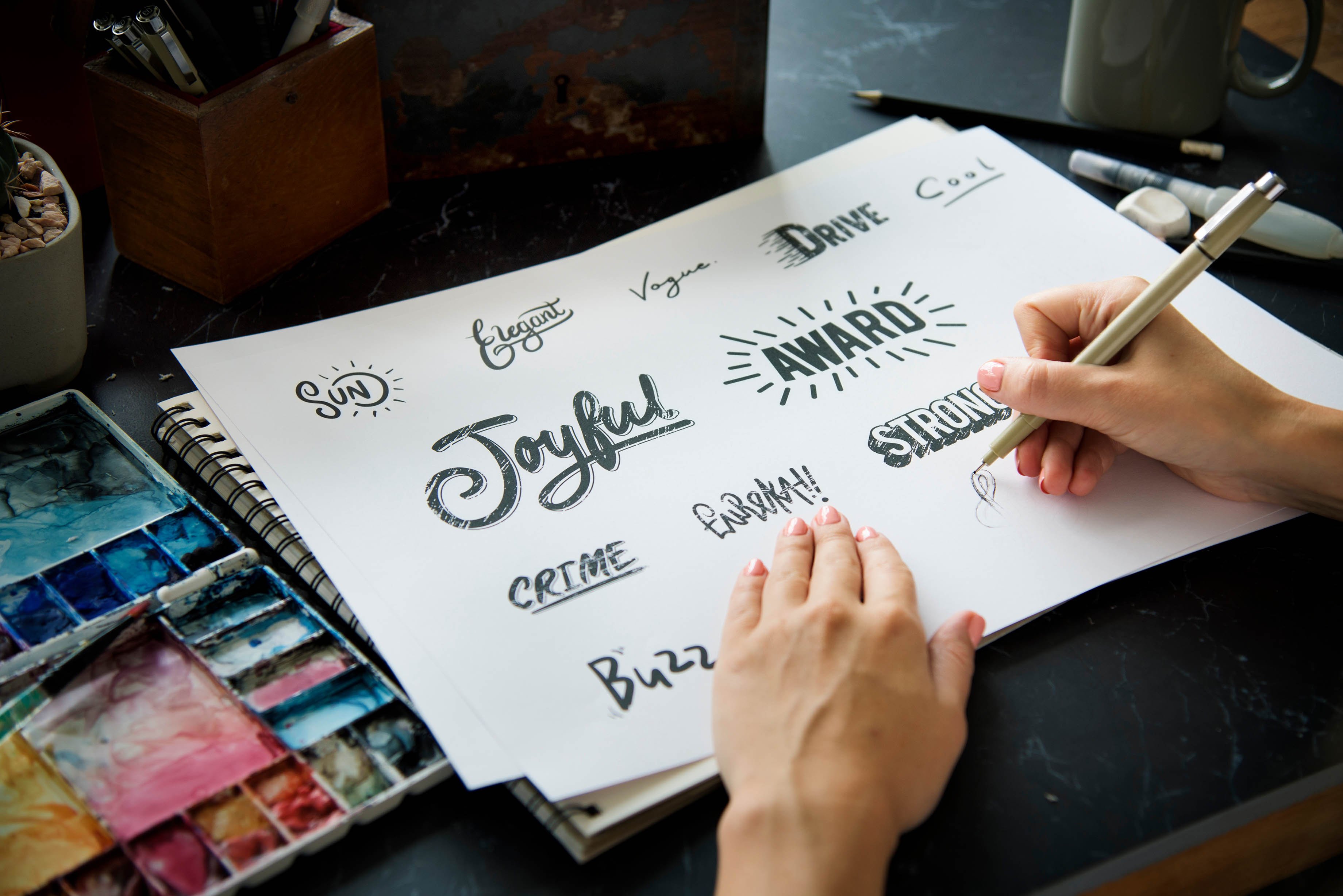
Font-changing tools offer several practical advantages. They make typography experimentation accessible to people without professional design experience. Users can quickly compare styles, create personalized text, and explore different visual possibilities. They can also save time when creating short social media content or personal messages. For students and beginners, these tools can introduce basic concepts of typography and visual communication. Another benefit is creative freedom. Users are not limited to the default appearance of text provided by every application. They can experiment with styles and discover what fits their personal preferences. However, these advantages are strongest when the tools are used thoughtfully. The purpose should be to improve communication and presentation rather than simply make every word look unusual.
Common Mistakes to Avoid
One common mistake is choosing a decorative style without considering readability. Another is using too many different styles in the same piece of content. Excessive variation can make a design look unorganized and distract readers from the main message. Users should also avoid relying on unsupported characters because they may not display correctly on every device. Another consideration is accessibility. Some decorative Unicode styles can be difficult for screen readers or users with visual difficulties to interpret. For public-facing content, standard readable typography is usually the safest choice. A font changer should be treated as a creative aid, not a reason to sacrifice clarity. Good design uses visual variation strategically and keeps the reader’s experience at the center.
The Future of Digital Typography
Digital typography continues to evolve as communication becomes increasingly visual. Social platforms, mobile applications, gaming communities, websites, and digital design tools are constantly introducing new ways to present text. Artificial intelligence and design automation may also make it easier for users to generate typography suited to a particular mood or brand. Despite these developments, fundamental principles such as readability, consistency, spacing, and hierarchy will remain important. Future font-changing tools may offer more personalized recommendations based on the purpose of the content. Users could potentially describe the feeling they want and receive suitable typography suggestions. As technology develops, the focus will likely remain on combining creativity with practical communication.
Conclusion
Typography can transform ordinary text into something more expressive, recognizable, and visually engaging. A font changer gives users an accessible way to explore different text styles for social media, creative projects, gaming names, branding concepts, and personal communication. The best results come from choosing styles according to purpose rather than selecting the most decorative option available. Readability, compatibility, accessibility, and consistency should always be considered before sharing customized text. While advanced design projects may require professional typography software, simple font-changing tools can provide an easy starting point for experimentation. By using different styles thoughtfully and keeping communication clear, users can make their digital content more distinctive without sacrificing usability. Good typography ultimately combines creativity with clarity, helping words look as effective as they sound.

