

What are low calorie high protein meals?
Low calorie high protein meals are dishes that provide a large amount of protein while keeping calorie intake controlled.
Best low calorie high protein meals
Some of the best low calorie high protein meals include grilled chicken salad, egg white omelets, Greek yogurt bowls, baked salmon with vegetables, and turkey lettuce wraps.
How to choose low calorie high protein meals
Choose meals with lean protein sources like chicken breast, fish, tofu, eggs, or cottage cheese.
Introduction
Trying to lose weight without feeling hungry can feel almost impossible. Many people cut calories too aggressively, only to end up craving snacks, losing energy, and struggling to stay consistent. That’s where smarter meal planning becomes essential.
Protein-rich foods have become one of the biggest nutrition trends for a reason. Research continues to show that high-protein diets can improve satiety, support muscle recovery, and help manage body composition more effectively than low-protein eating patterns. At the same time, calorie awareness remains important for anyone focused on fat loss or maintaining a healthy lifestyle.
The good news is that healthy eating does not have to mean bland salads or tiny portions. Today, there are countless flavorful and satisfying meal ideas that combine lean protein, healthy ingredients, and balanced nutrition. Whether you are a busy professional, fitness enthusiast, student, or parent, choosing the right meals can make healthy eating far easier and more enjoyable.
Quick Summary
- High-protein meals help keep you full for longer and reduce overeating.
- Lean protein sources support muscle maintenance during weight loss.
- Balanced meals with vegetables and fiber improve overall nutrition.
- Meal prep and portion control make healthy eating more sustainable.
Why Protein Matters for Weight Management
Protein is one of the most important nutrients for appetite control and body composition. Unlike refined carbohydrates or sugary snacks, protein takes longer to digest, which helps stabilize hunger levels throughout the day. This is one reason many nutrition experts recommend increasing protein intake during weight loss programs.
A 2025 nutrition survey published by multiple health organizations found that adults consuming higher protein diets were more likely to maintain consistent energy levels and experience fewer cravings between meals. Protein also has a higher thermic effect compared to fats and carbohydrates, meaning the body burns more calories digesting it.
Another important benefit is muscle preservation. When people reduce calorie intake without enough protein, they risk losing lean muscle mass. Adequate protein intake combined with resistance training supports strength, recovery, and metabolic health.
Best Low Calorie High Protein Meals for Everyday Eating
Finding meals that are both satisfying and calorie-conscious does not need to be complicated. The key is combining lean protein with vegetables, healthy fats, and smart carbohydrate choices.
Grilled Chicken and Roasted Vegetables
Chicken breast remains one of the most popular lean protein options because it is affordable, versatile, and low in fat. Pairing grilled chicken with roasted broccoli, zucchini, bell peppers, and cauliflower creates a balanced meal with high satiety and relatively low calories.
Adding herbs, lemon juice, garlic, and black pepper enhances flavor without relying on calorie-heavy sauces. This meal also works perfectly for meal prep because it stores well for several days.
Greek Yogurt Protein Bowl
Greek yogurt contains significantly more protein than regular yogurt and can become a quick breakfast or snack option. Combine plain Greek yogurt with berries, chia seeds, and a sprinkle of nuts for a nutrient-dense meal.
This option delivers probiotics, calcium, and fiber while helping reduce sugar cravings. Many athletes and fitness enthusiasts use Greek yogurt bowls as part of post-workout recovery nutrition.
Salmon with Steamed Greens
Salmon offers high-quality protein along with omega-3 fatty acids that support heart health and inflammation control. A baked salmon fillet served with asparagus, spinach, or green beans provides excellent nutrition without excessive calories.
The healthy fats in salmon can also improve satisfaction after meals, making it easier to avoid unhealthy snacking later in the day.
Turkey Lettuce Wraps
Turkey lettuce wraps are an excellent alternative to traditional high-carb sandwiches or burgers. Lean ground turkey cooked with onions, garlic, and light seasoning can be wrapped inside crisp lettuce leaves for a fresh, crunchy meal.
This dish is especially useful for people following low-carb eating plans while still wanting something flavorful and filling.

A Simple Comparison of Popular Protein Meals
| Meal | Approx. Protein | Approx. Calories | Main Benefit |
|---|---|---|---|
| Grilled Chicken Salad | 35g | 350 | High satiety |
| Greek Yogurt Bowl | 20g | 250 | Quick breakfast |
| Salmon with Vegetables | 30g | 400 | Healthy fats |
| Egg White Omelet | 22g | 220 | Low-fat option |
| Turkey Lettuce Wraps | 28g | 300 | Low-carb meal |
How Meal Prep Improves Healthy Eating
One major reason people struggle with nutrition goals is convenience. Fast food, packaged snacks, and takeout meals are often easier than cooking from scratch. Meal prepping helps remove this obstacle by making healthy choices readily available.
Preparing proteins like grilled chicken, boiled eggs, tofu, or turkey in advance saves time during busy weekdays. Chopped vegetables, portioned containers, and ready-made sauces can simplify meal assembly significantly.
For example, a working professional who spends Sunday preparing meals for the week may avoid multiple unhealthy restaurant orders. This practical strategy improves consistency and reduces impulsive eating decisions.
Common Ingredients Used in Healthy High-Protein Meals
Several ingredients consistently appear in balanced meal plans because they provide strong nutritional value without excessive calories.
Lean meats like chicken breast and turkey remain top choices due to their high protein-to-calorie ratio. Fish such as tuna and salmon add healthy fats alongside protein. Eggs, especially egg whites, provide convenient and affordable nutrition.
Plant-based eaters often rely on tofu, lentils, chickpeas, and edamame for protein intake. Cottage cheese, protein smoothies, quinoa, and low-fat dairy products also contribute to balanced eating habits.
Fiber-rich vegetables like spinach, kale, cucumber, broccoli, and cauliflower improve fullness while keeping calories relatively low. Combining protein with fiber is one of the best ways to maintain appetite control.
Pros and Cons of High-Protein Eating
Pros
- Helps reduce hunger and cravings
- Supports muscle recovery and growth
- Improves satiety during calorie deficits
- Can stabilize energy levels
Cons
- Some protein products contain hidden sugars
- Excessive processed protein bars may reduce diet quality
- Lean protein foods can become repetitive without variety
- Premium protein products may increase grocery costs
Expert Tips for Better Meal Planning
- Focus on whole foods instead of heavily processed “diet” products.
- Include vegetables in every major meal for added fiber.
- Use herbs and spices instead of creamy sauces.
- Prioritize hydration because thirst is often confused with hunger.
Common Mistakes People Make
- Eating too little overall calories
- Ignoring portion sizes of healthy fats
- Relying only on protein shakes
- Skipping carbohydrates entirely
Low Calorie High Protein Meals for Different Lifestyles
Different lifestyles require different meal approaches. Athletes may need higher protein intake to support recovery and muscle performance, while office workers may focus more on appetite control and energy balance during sedentary workdays.
Busy parents often prefer fast recipes like sheet-pan chicken dinners or slow-cooker meals because they save time. Students may lean toward affordable ingredients such as eggs, oats, canned tuna, and cottage cheese. Vegetarians can build effective meal plans using lentils, tofu, quinoa, and beans.
One of the best aspects of healthy meal planning is flexibility. Meals can be adjusted based on personal preferences, cultural cuisine, dietary restrictions, and fitness goals.
Real-Life Example of a Balanced Eating Routine
Consider someone trying to lose weight while maintaining muscle tone. Their breakfast might include a Greek yogurt bowl with berries, lunch could be grilled chicken salad, and dinner may feature salmon with roasted vegetables.
Instead of sugary snacks, they choose boiled eggs or cottage cheese between meals. Over several months, this approach can help improve body composition while reducing the constant hunger often associated with crash diets.
Nutrition coaches frequently emphasize consistency over perfection. Sustainable eating habits generally outperform extreme diets in the long term.
Who Should Use This Eating Style?
This eating approach works well for people trying to lose weight, maintain muscle mass, improve satiety, or support fitness performance. It can also benefit individuals with busy schedules because many protein-focused meals are easy to prepare ahead of time.
However, balance remains important. A healthy eating pattern should include carbohydrates, healthy fats, vitamins, minerals, and hydration rather than focusing only on protein intake. Consulting a healthcare professional or registered dietitian may help individuals with specific medical conditions or dietary needs.
Low Calorie High Protein Meals for Sustainable Results
Sustainable nutrition is rarely about strict restriction. The most successful eating plans are usually realistic, enjoyable, and flexible enough to fit everyday life. Instead of chasing extreme diet trends, many experts now recommend balanced meals built around lean protein, vegetables, and portion awareness.
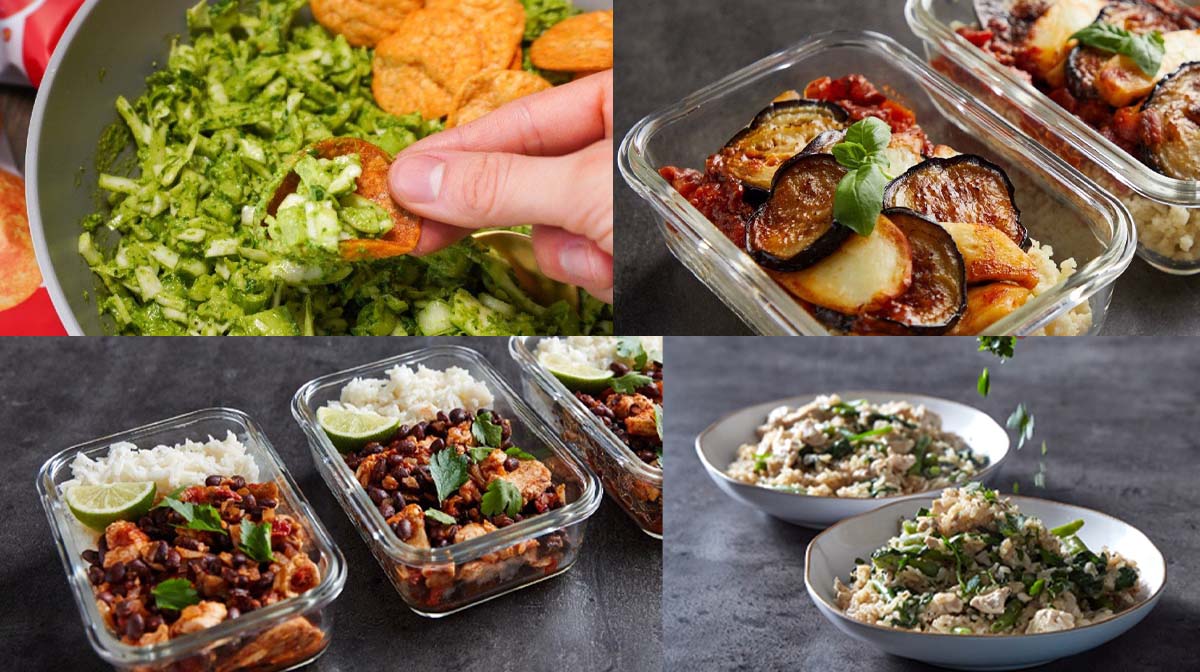
One major advantage of low calorie high protein meals is their ability to support both weight management and overall wellness at the same time. These meals can help reduce overeating, improve recovery after exercise, and encourage healthier food choices over the long term.
FAQs
What are the easiest low calorie high protein meals for beginners?
Simple meals like grilled chicken with vegetables, Greek yogurt bowls, tuna salads, and egg white omelets are beginner-friendly and require minimal cooking skills.
How much protein should I eat daily?
Protein needs vary depending on body weight, activity level, and goals. Many adults aim for 20–30 grams of protein per meal for balanced nutrition.
Are high-protein diets safe?
For most healthy individuals, balanced high-protein diets are considered safe. People with kidney conditions should consult a healthcare provider before making major dietary changes.
Can vegetarians eat high-protein low-calorie meals?
Yes, tofu, lentils, beans, edamame, cottage cheese, and Greek yogurt provide excellent vegetarian protein sources.
Do low calorie high protein meals help reduce cravings?
Yes, protein and fiber help improve fullness, which may reduce unnecessary snacking and sugar cravings throughout the day.
Summary Recap
Healthy eating becomes much easier when meals are satisfying, flavorful, and balanced. Choosing lean proteins, fiber-rich vegetables, and smart meal preparation strategies can improve consistency while supporting long-term wellness goals. Rather than focusing only on calorie restriction, prioritizing nutrient-dense foods creates a more sustainable path toward healthy living.
Conclusion
Building a healthier lifestyle does not require complicated diets or constant hunger. The right nutrition strategy should help you feel energized, satisfied, and confident in your daily choices. By incorporating low calorie high protein meals into your routine, you can support weight management, improve muscle recovery, and create eating habits that are realistic enough to maintain long term.
Read More:-High Protein Meals: Healthy Ideas for Energy and Muscle Growth

